



Wonach suchst du?
 Startseite
/
Startseite
/
„Formaldehydfreier Kohl“ liegt in den sozialen Medien im Trend, aber keine Sorge! Solarenergie senkt die Kosten der Kühlkette!
Aug 27, 2026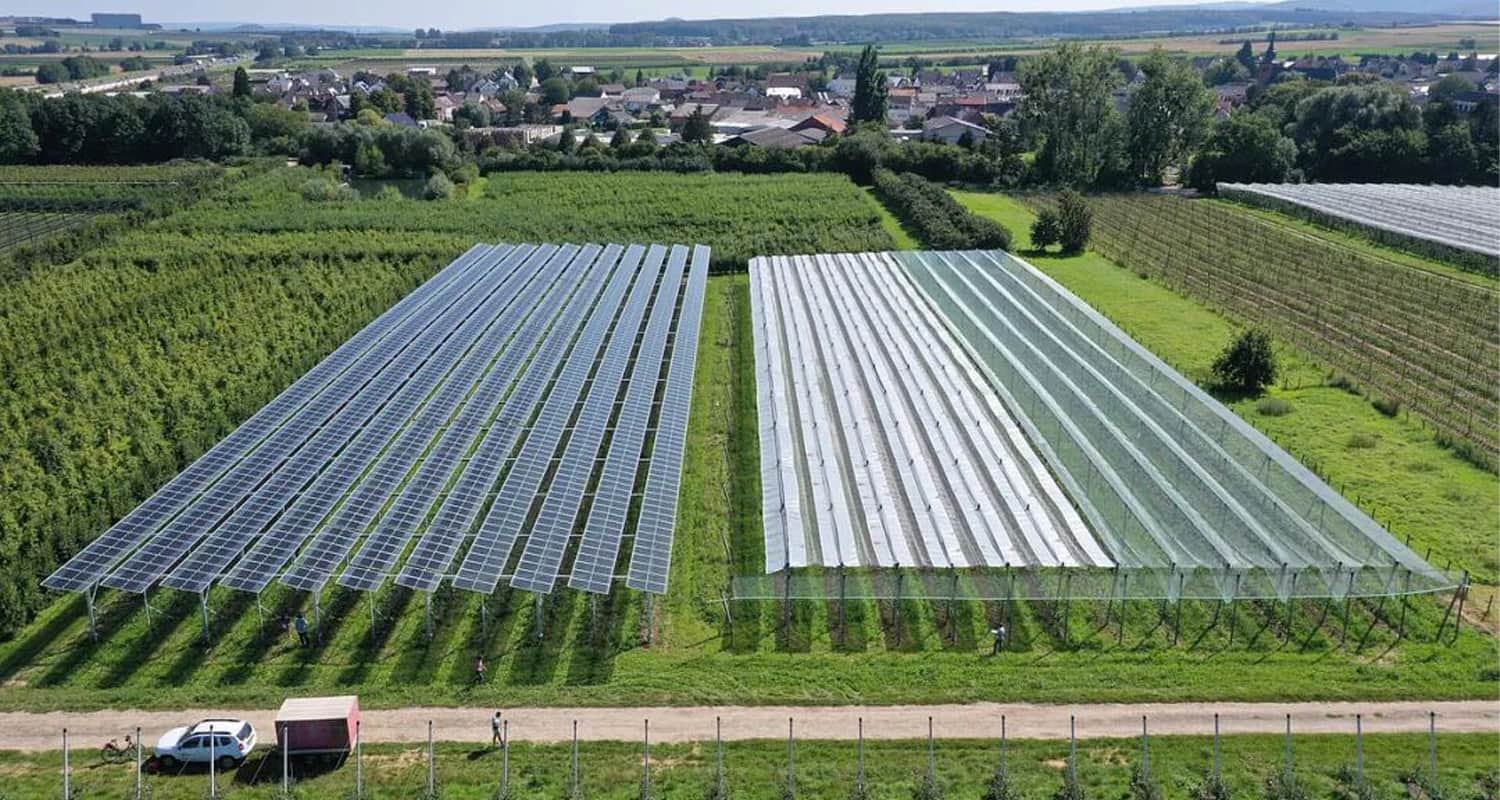
Formaldehyd ist von der Weltgesundheitsorganisation als Karzinogen der Gruppe 1 eingestuft. Das Lebensmittelgesetz und das Gesetz zur Qualitätssicherung landwirtschaftlicher Produkte meines Landes legen ausdrücklich fest, dass Formaldehyd kein Lebensmittelzusatzstoff ist und seine künstliche Zugabe bei der Ernte, dem Transport und dem Verkauf landwirtschaftlicher Produkte strengstens verboten ist.
Warum wird der Verstoß angesichts der offensichtlichen Regelwidrigkeit trotz wiederholter Sperren weiterhin begangen? Eine einfache Rechnung verdeutlicht dies.
Die Kosten für die Formaldehydkonservierung sind erstaunlich niedrig. Mit einem Kilogramm Formaldehydlösung lassen sich 2.000 bis 3.000 Kilogramm Kohl behandeln, was Konservierungskosten von nur etwa 0,001 Yuan pro Kilogramm entspricht. Im Vergleich dazu sind die Kosten für den herkömmlichen Kühltransport etwa 50- bis 100-mal höher.
Der Unterschied zwischen einem Cent, fünfzig Cent oder einem Yuan pro Kilogramm wird zu einer bedeutenden Zahl, wenn man Hunderte oder Tausende Tonnen transportierter Fracht bedenkt.
Viele Vertreter der Agrarwirtschaft haben gegenüber den Medien offen erklärt, dass das Hauptproblem beim Fernvertrieb von preisgünstigem Kohl während der heißen Jahreszeit in den hohen Kosten für die fachgerechte Lagerung und den Kühltransport liegt. Diese stehen in keinem Verhältnis zu den niedrigen Gemüsepreisen und den geringen Gewinnmargen. Kühlwagen kosten 20 bis 30 Prozent mehr als normale Lkw, und einige Gemüsehändler scheuen sich, so viel Geld in Kühlvitrinen und Kühlhäuser zu investieren.
Konkret kostet ein 4,2 Meter langer Kühl-Lkw für eine 1000 Kilometer lange Strecke etwa 4500 Yuan, während ein normaler Lkw mit hohen Bordwänden nur 2000 bis 2500 Yuan kostet. Dadurch lassen sich die Kosten pro Fahrt um fast die Hälfte reduzieren. Die Vorkühlung einer Lkw-Ladung Gemüse in einem Kühlhaus kostet 500 Yuan und erfordert ein zusätzliches Umladen. Daher verzichten manche Käufer ganz auf die Vorkühlung und laden direkt.
Professor Wang Guoli, leitender Experte des Nationalen Forschungszentrums für moderne Agrarlogistik, weist darauf hin, dass die Gesamtkosten für Kühltransporte 30 bis 50 % höher sind als die für Transporte bei Raumtemperatur und typischerweise 20 bis 40 % des Wertes von Gemüse ausmachen. Die Verlustrate von Gemüse in der Kühlkette lässt sich auf 1,5 bis 3 % begrenzen, während sie bei Transporten bei Raumtemperatur in der Regel 15 bis 25 % beträgt. Aufgrund der hohen Anfangsinvestitionen in Kühlhäuser und Vorkühlanlagen sind kleine und mittlere Warenempfänger jedoch nicht bereit, einen Aufpreis für temperaturgeführte Transportdienstleistungen zu zahlen.
Der Skandal um mit Formaldehyd behandelten Kohl ist im Kern eine ökonomische Entscheidung. Wenn die Kosten für die Einhaltung der Vorschriften unerschwinglich hoch sind, die Kosten für einen Verstoß dagegen hingegen vernachlässigbar gering, ist die Wahl der Marktteilnehmer nicht überraschend.
Die Unschuldigsten und am meisten Geschädigten in diesem Sturm sind jedoch die ehrlichen Gemüsebauern.
Der Kreis Kangbao, Epizentrum des Skandals um mit Formaldehyd behandelten Kohl, ist ein bekanntes Gemüseanbaugebiet in der Region Zhangjiakou Bashang mit über 170.000 Mu (ca. 11.333 Hektar) Anbaufläche. Laut einem Bericht von Phoenix.com („Storm Eye“) vor Ort stellten nach Bekanntwerden des Vorfalls große Lkw aus anderen Regionen die Anlieferung von Gemüse in den Dörfern ein. Eine große lokale Gemüsegenossenschaft verzeichnete einen drastischen Rückgang ihrer täglichen Lieferungen von 1.500 auf unter 300 Säcke. Käufer aus Wenzhou, Guangzhou und anderen Orten stornierten ihre Bestellungen, und Supermärkte nahmen den Kohl aus dem Sortiment. Die Bauern zahlten ab Hof nur etwa 30 Cent pro Jin (ca. 0,5 kg), und in diesem Jahr wurden einige Felder zusätzlich von Hagel getroffen, was die Situation noch verschlimmerte.
Eine ordnungsgemäße Kühlkettenlogistik kann den Bedarf an Formaldehyd eliminieren. Allerdings ist eine ordnungsgemäße Kühlkettenlogistik zu teuer.
Daher stellt sich die dringlichste Frage: Wie lassen sich die Kosten der Kühlkettenlogistik senken? Eine Lösung, die an mehreren Standorten erprobt wird, wird nun flächendeckend eingeführt: Photovoltaik in Kombination mit Kühlhäusern.
Das Dorf Bailu in Xiangtan, Provinz Hunan, einst ein Dorf mit schwacher Kollektivwirtschaft, investierte 2023 über 1,2 Millionen Yuan in den Bau eines Kühlhauses mit einem Fassungsvermögen von 2.500 Kubikmetern. Laut einem Bericht der Organisationsabteilung des Parteikomitees des Kreises Xiangtan nutzte das Dorf in diesem Jahr über 600.000 Yuan aus Mitteln des Projekts zur ländlichen Revitalisierung, um eine Photovoltaikanlage zu errichten, die das Kühlhaus – einen der größten Stromverbraucher – direkt mit Strom versorgt.
Der Parteisekretär des Dorfes errechnete, dass das Photovoltaikprojekt voraussichtlich jährliche Einnahmen von über 100.000 Yuan generieren wird, während das Kühlhaus monatliche Betriebskosten von über 30.000 Yuan einbringen soll. Dadurch entsteht ein geschlossener Kreislauf aus „Stromerzeugung für das Kühlhaus und damit verbundenen wirtschaftlichen Vorteilen“. Das gesamte Wirtschaftseinkommen des Dorfes wird in diesem Jahr voraussichtlich 500.000 Yuan übersteigen. Im Rahmen des Photovoltaikprojekts wurde außerdem ein Dach auf dem Dorfplatz errichtet, sodass die Dorfbewohner dort wetterunabhängig Basketball spielen und tanzen können.
Betrachten wir das Dorf Dongping in Nantong, Provinz Jiangsu. Als bedeutendes Gemüseanbaugebiet in Jiangsu hat Dongping allein durch den Eigenanbau hochwertiger Spargelsorten die umliegende Anbaufläche auf über 5.000 Mu (ca. 2.200 Hektar) ausgedehnt. Das Dorf verfügt über ein 1.800 Quadratmeter großes Primärverarbeitungszentrum für landwirtschaftliche Produkte und Nebenerzeugnisse sowie ein 1.500 Quadratmeter großes Kühlhaus. Mehr als 2.000 Haushalte im Dorf haben…Photovoltaikanlagen auf Dächernund das Kühlhaus im Obst- und Gemüseverarbeitungsbetrieb verfügt über mehr als 1.500 Quadratmeter Fläche.Solarmoduleauf dem Dach installiert.
Am 13. Juli dieses Jahres wurde hier die erste Phase der ersten Demonstrationsstation für Photovoltaik-Speicherung und -Ladeinfrastruktur in Jiangsu, die die Gemüselieferkette bedient, offiziell in Betrieb genommen. Die Station ist mit einer200-Kilowatt-EnergiespeicherschrankÜberschüssigen Photovoltaikstrom tagsüber speichern und nachts oder bei Spitzenlast wieder abgeben. Das Energieunternehmen entwickelte für die Anlage eine abgestimmte Betriebsstrategie aus Photovoltaik, Energiespeicherung und Ladeinfrastruktur, wodurch die Stromkosten für die Landwirte gesenkt werden. Das Dorf Dongping verfolgt das „1+N“-Konzept: Die Photovoltaik-Stromerzeugung bildet den Kern der Anlage, sodass jede Photovoltaikanlage gleichzeitig mehrere Funktionen erfüllt – wie Schatten- und Regenschutz, Unterstützung der Kühlkette und Ladeinfrastruktur. So werden „mehrfache Nutzungen an einem Standort und die Umnutzung eines Gebäudes“ erreicht.
In Kangle, Kreis Fengjie, Chongqing, wurde im Rahmen eines gezielten Armutsbekämpfungsprojekts der Drei-Schluchten-Gruppe ein hochmodernes Kühlhaus errichtet. Es verfügt über ein 811 Quadratmeter großes Tiefkühllager und ein 620 Quadratmeter großes Kühllager. Auf dem Dach befinden sich Photovoltaikmodule mit einer Gesamtfläche von 1.118 Quadratmetern, die ein 140-Kilowatt-Kraftwerk bilden. Die Photovoltaikanlage und alle damit erzielten Einnahmen gehören der lokalen Gemeinschaft.
Die Kühlhäuser werden derzeit an große Lebensmittelverarbeitungs- und Agrarbetriebe vermietet und bieten der Gemeinde zwei nachhaltige Einnahmequellen: Mieteinnahmen aus der Kühlhausnutzung und Erträge aus der Photovoltaikanlage. Ein Vertreter eines der ansässigen Unternehmen erklärte, dass früher selbst die besten Produkte verderben konnten, weshalb sie auf Marktpreise angewiesen waren. Jetzt können sie ihre Ressourcen gezielt einsetzen und die Spitzenzeiten nutzen, wodurch sich die Wertschöpfung um ein Vielfaches erhöht.
Der Kühlkettenpark Chengdu Yuhu ist ein groß angelegtes Demonstrationsprojekt, das kürzlich von Cover News besucht wurde. Der Park verfügt über zehn Kühlhäuser mit einer Gesamtkapazität von 281.000 Tonnen. Auf den Dächern dieser zehn Kühlhäuser sind fast 22.000 Photovoltaikmodule installiert, die jeweils 620 Watt erzeugen. Die installierte Gesamtleistung beträgt 13,1 Megawatt, und die jährliche Stromerzeugung übersteigt 10 Millionen Kilowattstunden.
Der Leiter der Parkverwaltung erklärte, dass der gesamte Ökostrom für Kühlung, Beleuchtung und den Betrieb der Logistikanlagen in den Kühlhäusern des Parks genutzt wird. Dank des Volllastbetriebs während der brütenden Hitze konnte die Photovoltaikanlage die Betriebskosten deutlich senken. So sanken beispielsweise im Februar dieses Jahres die Stromrechnungen im Vergleich zum Vormonat um mehr als 14 Prozent.
Betrachten wir den Hightech-Logistikpark Lunan an der Shandong-Schnellstraße. Dieser 181 Hektar große Logistikpark verfügt über eine dezentrale Photovoltaikanlage mit einer installierten Gesamtleistung von 8,35 MW. Die neuen Energieanlagen erzeugen jährlich rund 9 Millionen kWh Strom und decken damit 80 % des Strombedarfs der Kühlkette und anderer energieintensiver Anlagen. Das Projekt wurde als typisches Beispiel für eine umweltfreundliche, kohlenstoffarme und qualitativ hochwertige Entwicklung im Transportsektor von Shandong ausgewählt.
Zum Schluss betrachten wir ein Getreidespeicherprojekt in Dongying, Shandong. Das von der Dongying Caijin Grain Industry Co., Ltd. investierte und realisierte Projekt umfasst die Installation von Solaranlagen auf den Dächern von 41 Getreidesilos mit einer Gesamtfläche von 56.800 Quadratmetern. Die Photovoltaikanlage erzeugt jährlich 14 Millionen kWh Strom und senkt damit die Stromkosten des Unternehmens erheblich.
Darüber hinaus sorgen die Photovoltaikpaneele für Beschattung und Kühlung, wodurch die Kosten für die Getreidelagerung gesenkt und eine quasi-niedrige Getreidelagerung erreicht wird, was die Getreidequalität sichert.
Zusammenfassend verdeutlichen diese Beispiele einen wichtigen Punkt: Kühlhäuser sind große Stromverbraucher, und die Stromkosten stellen einen zentralen Kostenfaktor in der Kühlkette dar. Traditionelle Kühlhäuser sind stark vom Stromnetz abhängig. In ländlichen und abgelegenen Produktionsgebieten schränken eine schwache Netzabdeckung, instabile Spannungen und hohe Strompreise die flächendeckende Einführung von Kühlkettenanlagen erheblich ein. Photovoltaikanlagen wandeln Sonnenlicht in Strom um, versorgen Kühlhäuser direkt und senken so die Energiekosten in der Kühlkette deutlich.
Auch Forschungsdaten stützen diese Einschätzung. Akademische Studien haben Simulationsanalysen von Photovoltaik-Kühlhäusern für Obst und Gemüse durchgeführt und festgestellt, dass sich die Stromkosten um 55,6 % senken lassen. Eine weitere Studie zeigt, dass Photovoltaik-integrierte Kühlhäuser die täglichen Kosten um 50,97 % reduzieren können. Die Provinz Yunnan hat bereits einen Gruppenstandard mit dem Titel „Technische Spezifikationen für die Photovoltaik-Kühllagerung von Agrarprodukten (Obst und Gemüse) direkt am Anbauort“ erlassen. Gree Electric Appliances hat zudem ein CO₂-neutrales Photovoltaik-Kühlhausmodell auf den Markt gebracht und damit eine Komplettlösung für die gesamte Wertschöpfungskette vom Produktionsgebiet bis zum Industriepark entwickelt.
Natürlich kann die Photovoltaik-Kühlspeicherung nicht alle Probleme über Nacht lösen. Der Bau von Kühlhäusern erfordert Anfangsinvestitionen, und auch die Photovoltaikanlage verursacht Vorlaufkosten. In den letzten Jahren sind die Preise für Photovoltaikmaterialien jedoch deutlich gesunken, und durch die Einführung von Subventionen für die landwirtschaftliche Kühlkette in verschiedenen Regionen hat die Gesamtkosteneffizienz solarbetriebener Kühlhäuser die herkömmlicher netzbetriebener Kühlhäuser deutlich übertroffen.
Ob es sich um die Photovoltaik-Investition von über 600.000 Yuan in Bailu Village handelt, das Modell der „kollektiven Vermögensverwaltung und marktorientierten Betriebsführung“ in Fengjie oder den Ansatz der „Mehrfachnutzung von Land und Wiederverwendung eines einzelnen Gebäudes“ in Dongping Village – allesamt Erkundungen, wie diese Lösung wirtschaftlich tragfähig gestaltet werden kann.
Der „Formaldehyd-Kohl“-Vorfall löste zwar Panik aus, spiegelt aber eigentlich das Dilemma im Agrarproduktvertrieb wider: „Die Kosten für die Einhaltung der Vorschriften sind zu hoch, die Kosten für Verstöße zu niedrig.“ Angesichts der Wahl zwischen einem Cent pro Kilogramm Formaldehyd und fünfzig Cent pro Kilogramm Kühlkettenlogistik entschieden sich die Käufer für Ersteres.
Der Schlüssel zur Lösung des Problems liegt nicht in wiederholter Aufdeckung und Untersuchung, sondern darin, die Einhaltung der Vorschriften erschwinglich zu machen. Er liegt darin, die Stromkosten der Kühlkettenlogistik durch Photovoltaik zu senken und die legale Konservierung wirtschaftlich der illegalen Konservierung tatsächlich überlegen zu machen.



5th floor, Block A, Science Avenue,High-tech District, Hefei , Anhui .China