



Wonach suchst du?
 Startseite
/
Startseite
/
Sodium Power, Integrated Systems, Policy Momentum: Ready for the Energy Revolution?
Sep 29, 2026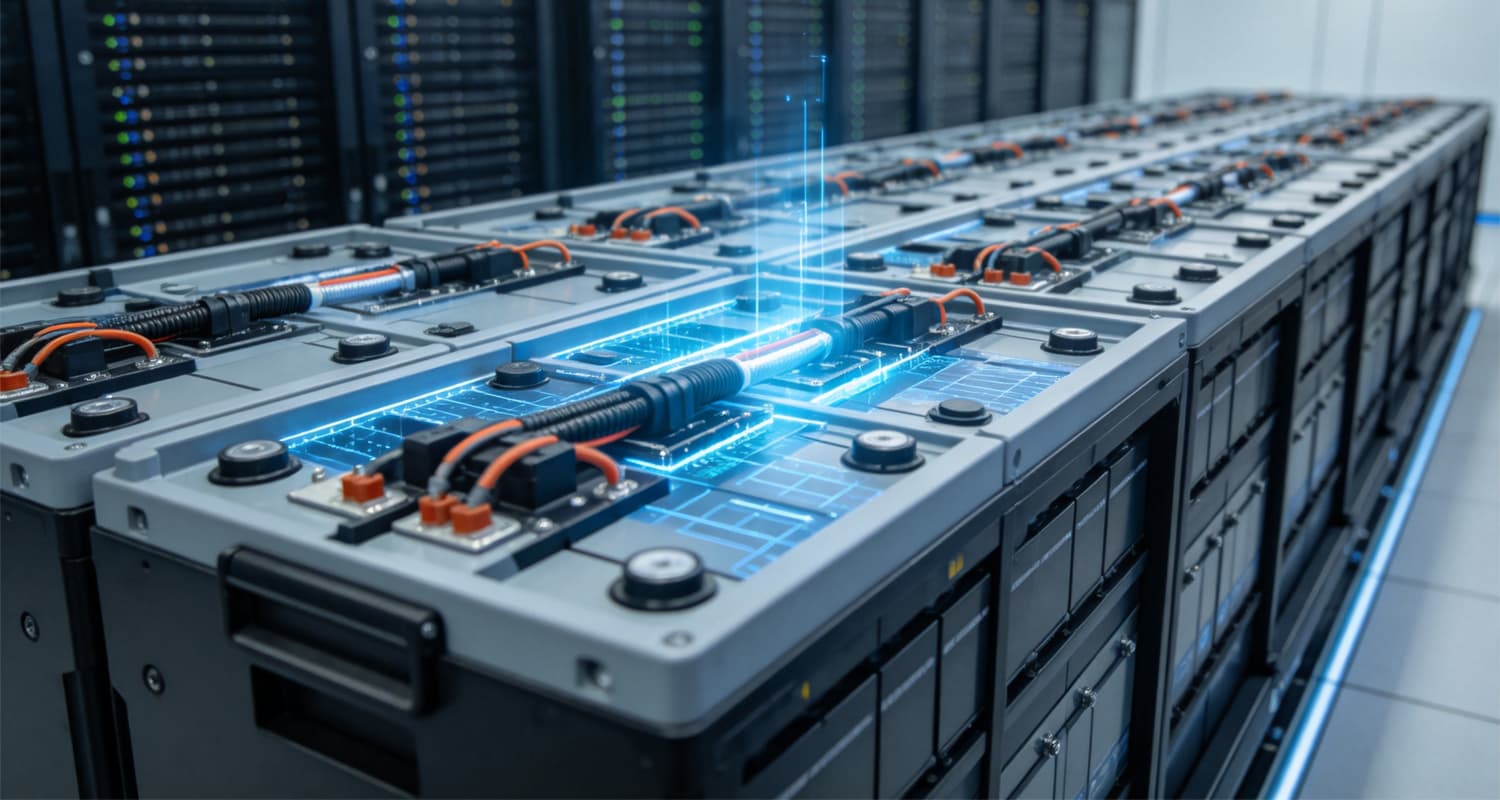
Sodium-ion batteries (SIBs) are emerging as a compelling alternative to lithium-ion systems, driven by the natural abundance and widespread availability of sodium resources. Compared with lithium, sodium offers structurally lower material costs, reduced supply-chain volatility, and enhanced resource security. Technically, SIBs deliver energy densities of approximately 120–200 Wh/kg while achieving over 2,000 cycles for stationary storage applications. They exhibit superior low-temperature performance, retaining around 90% of nominal capacity at −40 °C, and demonstrate excellent thermal stability, with a significantly lower risk of thermal runaway under overcharge or short-circuit conditions. Material cost reductions of over 30% are achievable because sodium batteries can use iron- and manganese-based cathodes and aluminum foil anodes.
Integrated sodium battery energy storage systems further amplify these advantages. A sodium-native architecture enables all-weather round-trip efficiency of 88% or higher, supports over 20,000 cycles, and reduces station footprint by approximately 30%. Dedicated sodium storage platforms are compatible with 800V to 1500V power conversion systems, allowing seamless integration with existing infrastructure and lowering the ecological barrier to large-scale deployment. A 100 kWh phosphate-based sodium storage system developed by Chinese researchers has already demonstrated grid-connected operation with DC-side energy conversion efficiency exceeding 95%, forming a “solar-storage-charging” framework that mitigates curtailment and enables peak shaving.
China has positioned sodium batteries as a strategic component of its next-generation battery industrial system. The “15th Five-Year Plan for New-Type Battery Industry Development,” jointly issued by seven government departments, explicitly calls for building a product supply system that integrates lithium batteries as the primary option with sodium batteries and flow batteries developing in coordination. The plan emphasizes developing high-safety, low-temperature-resistant, and long-cycle-life sodium storage batteries, and encourages policy subsidies to support pilot applications in key regions and large-scale storage scenarios.
Against this policy backdrop, companies such as SUNDTA are well positioned to advance sodium battery production and promote integrated sodium storage projects. With the global sodium battery market projected to exceed 500 GWh by 2030 and sodium systems expected to capture a substantial share of the storage market, SUNDTA’s commitment to manufacturing sodium cells and deploying integrated storage solutions aligns directly with the trajectory of cost reduction and commercial-scale adoption. By leveraging sodium’s resource advantages and China’s supportive industrial ecosystem, SUNDTA can play a meaningful role in accelerating the transition toward safer, more affordable, and sustainable energy storage infrastructure.



5th floor, Block A, Science Avenue,High-tech District, Hefei , Anhui .China