Deutschland startet dritte Ausschreibung für Dachanlagen-Photovoltaik für 2026 mit einem Ziel von 296 MW Kapazität
Sep 02, 2026
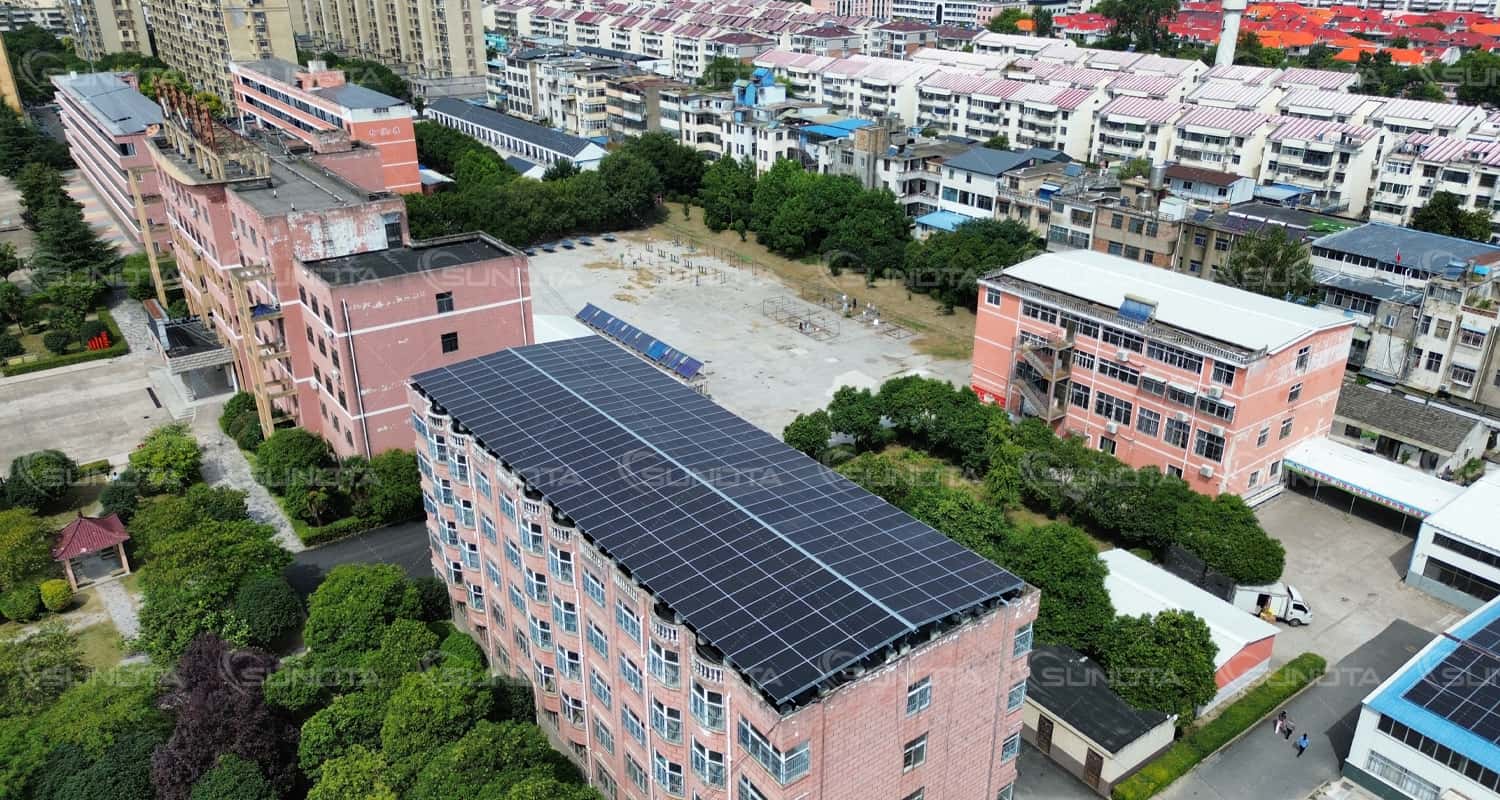
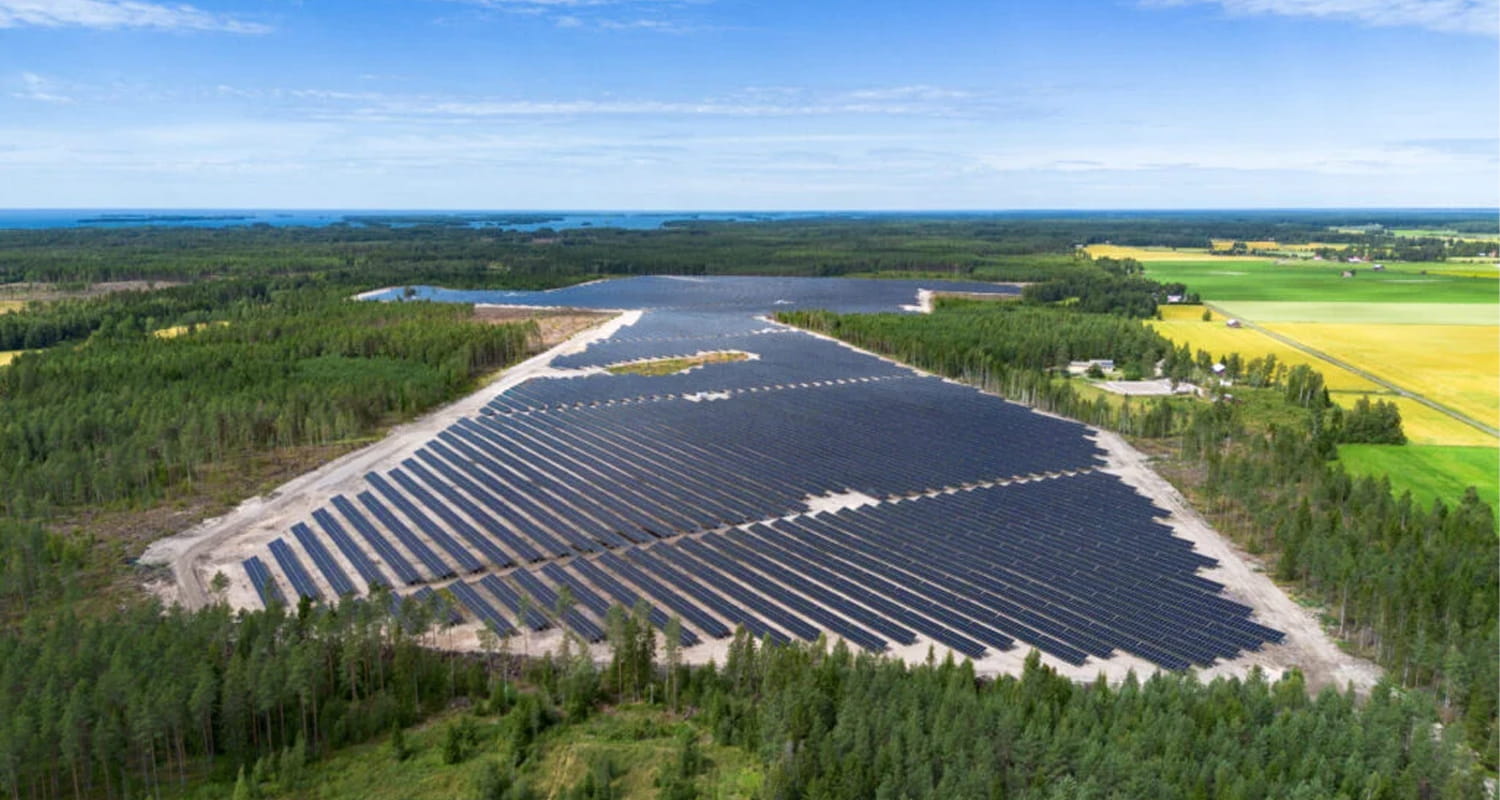
Die Bundesnetzagentur hat ihre dritte Dach-Photovoltaik-Ausschreibung des Jahres gestartet, die darauf abzielt, 296,3 MW an neuer Dach-Solarleistung zu vergeben. Der Höchstgebotspreis wurde auf 0,10 €/kWh (0,12 US$/kWh) festgelegt, und Bieter müssen für abgegebene Gebote zahlen. Beide Komponenten bleiben gegenüber den beiden früheren Dach-Solar-Ausschreibungen, die in diesem Jahr gestartet wurden – eine im Februar und eine im Juni, bei denen 282,7 MW bzw. 296,3 MW an neuer Kapazität ausgeschrieben wurden – unverändert. Beide Ausschreibungen waren jedoch unterzeichnet. Bei der ersten Ausschreibung wurden nur 155 MW an neuer Kapazität vergeben, bei einer gesamten Gebotskapazität von 177 MW, während bei der zweiten Ausschreibung 208,5 MW vergeben wurden. Zwischen diesen beiden Ausschreibungen stieg das durchschnittliche volumengewichtete Zuschlagsgebot von 0,0956 €/kWh auf 0,0972 €/kWh, während die Anzahl der erfolgreichen Gebote von 85 auf 108 stieg. Während Deutschlands Dach-Solar-Ausschreibungen in diesem Jahr unterzeichnet waren, waren die Ausschreibungen für Freiflächenanlagen überzeichnet; im August erhielt die Bundesnetzagentur mehr als 3 GW an Geboten in ihrer neuesten Ausschreibung für Freiflächenanlagen und erteilte Zuschläge für 261 Gebote über die volle Kapazität von 2,1 GW. Die Regierung plant, im Dezember eine dritte Solar-Ausschreibung für Freiflächenanlagen zu starten, wodurch die gesamte ausgeschriebene Solarleistung für Freiflächenanlagen auf über 6 GW steigen würde, was einen Teil des Defizits im Bereich der Dach-Solaranlagen ausgleichen würde. Über die beiden bisher in diesem Jahr abgeschlossenen Dach-Solar-Ausschreibungen hat die Regierung 363,5 MW von einer maximal verfügbaren Kapazität von 579 MW vergeben. Dieses unterschiedliche Interesse an Solar-Ausschreibungen tritt auf, während Deutschland neue Solar-Ertragsrekorde verzeichnet. Zahlen des Fraunhofer-Instituts für Solare Energiesysteme (ISE) zeigen, dass im ersten Halbjahr des Jahres die deutsche Solarstrom-Erzeugung im Jahresvergleich um 10 % gestiegen ist und erstmals in der Geschichte 40 TWh überschritten hat. Dieselben Zahlen zeigen, dass Freiflächen-Solaranlagen zum Großteil zu diesem Wachstum beigetragen haben, mit 3,5 GW an neuen Freiflächenkapazitäten zwischen der ersten Jahreshälfte 2025 und der ersten Jahreshälfte 2026, verglichen mit 2,1 GW an neuer Dachkapazität in diesen Zeiträumen. Europäische Kommission entscheidet über Solarpaket in Bezug auf Beihilfegrenzen Es ist jedoch erwähnenswert, dass die Bundesnetzagentur bestrebt ist, ihre Dach-Solar-Ausschreibungen im Rahmen der 2024 eingeführten Solarpaket-Reformen weiter auszubauen. Im Rahmen dieser Reformen strebt die Regierung an, die jährlich durch Ausschreibungen vergebene gesamte Dach-Solarleistung von derzeit 1,1 GW auf 2,6 GW zu erhöhen. Die Regierung wartet jedoch auf eine Entscheidung der Europäischen Kommission, dass die Solarpaket-Reformen nicht gegen ihre „staatlichen Beihilfe“-Regeln...
Weitere >




 Startseite
/
Nachrichten & Ausstellung
Startseite
/
Nachrichten & Ausstellung