



Wonach suchst du?
 Startseite
/
Startseite
/
DJI hat Balkonkraftwerke im Visier – ist das nur ein kleiner Ausflug oder ein ernsthaftes Geschäft?
Sep 02, 2026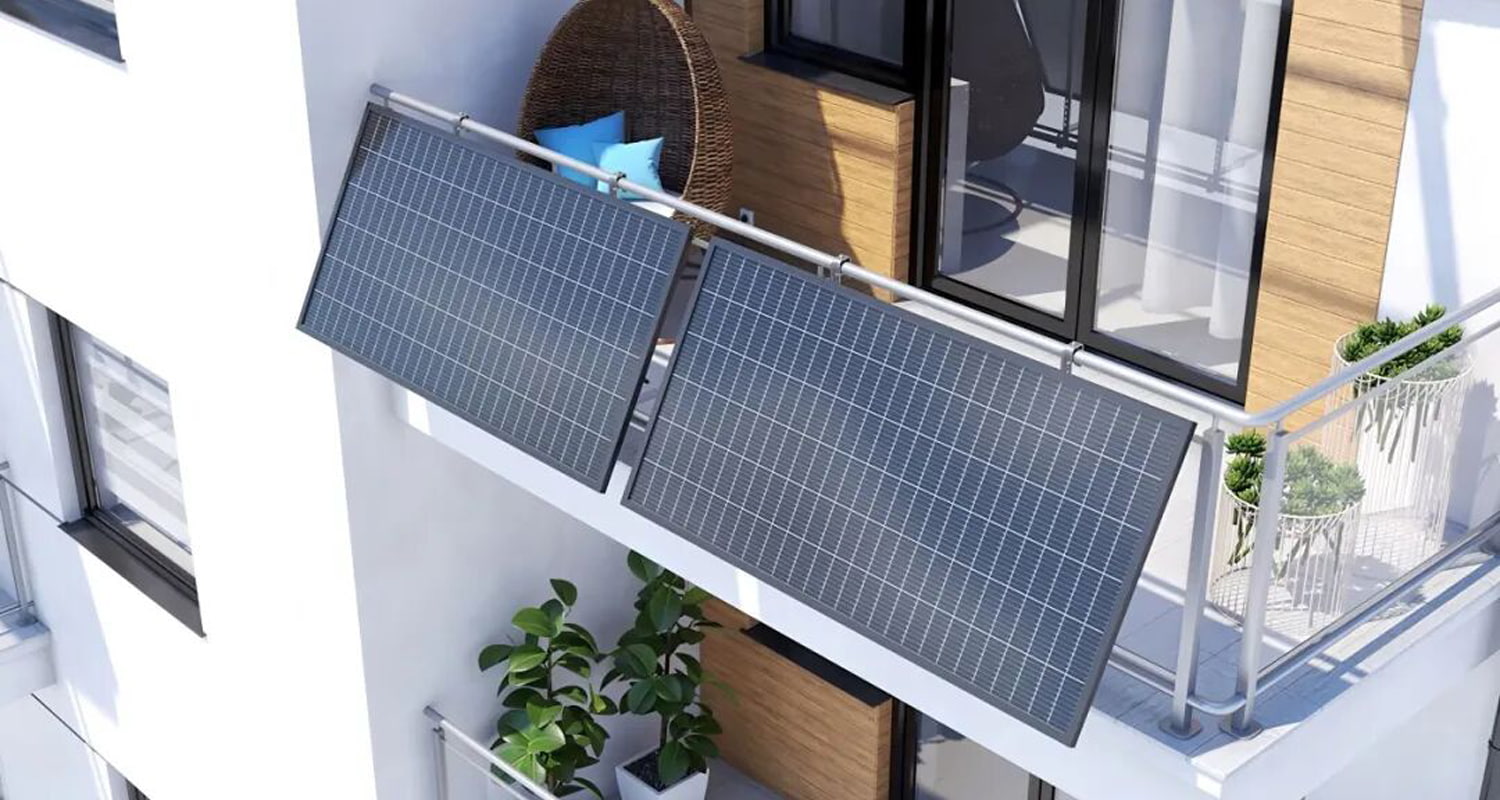
DJI steigt in den Markt für Balkon-Solaranlagen ein.
DJI hat offiziell angekündigt, dass das Unternehmen ein neues Plug-and-Play-Balkon-Solarsystem auf der IFA 2026 in Berlin vom 4. bis 8. September vorstellen wird.
Diese Nachricht überraschte viele Brancheninsider, doch ein genauerer Blick auf die bisherigen Strategien von DJI zeigt, dass sich dieser Schritt schon seit einiger Zeit angebahnt hat. Die bei DJI angesammelte Expertise in den Bereichen Motor- und elektronische Steuerungssysteme, Batteriemanagement, Forschung und Entwicklung intelligenter Hardware sowie globale Vertriebskanäle passt perfekt zu den Entwicklungs- und Implementierungsanforderungen von Balkon-Solarprodukten.
Zuvor hatte DJI das tragbare DJI Power Energiespeichersystem auf den Markt gebracht, das an externe Solarpaneele zur zusätzlichen Stromversorgung angeschlossen werden kann und auch als Notstromversorgung für Haushalte dient. Die Produktlogik der Integration von Photovoltaik und Energiespeicherung hat sich bereits als erfolgreich erwiesen; diesmal scheint es, als würden sie ihre bewährten Fähigkeiten und Erfahrungen auf Balkon-Solaranlagen übertragen.
Nicht alle Balkon-Solarsysteme sind Plug-and-Play
Plug-and-Play-Balkon-Solarsysteme sind in der Regel kleinere dezentrale Photovoltaikanlagen mit einer Ausgangsleistung zwischen 600 und 800 Watt. Nutzer montieren Photovoltaikmodule (PV) an Balkongeländern oder Terrassen, schließen sie an Mikrowechselrichter an und können theoretisch Strom erzeugen, indem sie sie einfach in eine Haushaltssteckdose stecken.
Die Designphilosophie hinter diesen Produkten besteht darin, die Eintrittsbarriere für normale Menschen bei der Nutzung von PV zu senken. Herkömmliche PV-Anlagen für Wohngebäude erfordern professionelle Elektriker für Standortanalysen, vom Bau der Tragstruktur bis zur Änderung der Stromverteilungsleitungen sowie die Durchführung des Netzanschluss- und Registrierungsprozesses beim Energieversorger – ein langwieriges und kostspieliges Unterfangen.
Es gibt jedoch ein weit verbreitetes Missverständnis: Viele Menschen glauben, dass Balkon-PV-Anlagen alle Plug-and-Play sind. In Wirklichkeit beschreibt Balkon-PV das Installationsszenario, und die Anschlussmethode ist nicht standardisiert.
Eine Art der Balkon-PV ist das Plug-and-Play-System, bei dem das gesamte System mit einem AC-Stecker am Ende ausgestattet ist. Nachdem die Module montiert sind, können sie direkt in eine Haushaltssteckdose gesteckt werden, um Strom zu erzeugen; dies war die gängige Lösung für frühe Balkonkraftwerke in Europa. Die andere Art ist eine Festanschlusslösung, bei der das Produkt keinen Standardstecker hat und professionelle Elektriker erfordert, um die Verkabelung zu verlegen und sie an einen separaten Stromkreis mit Schutzvorrichtungen im Verteilerkasten anzuschließen.
Obwohl Plug-and-Play-Balkon-PV-Systeme tatsächlich praktisch sind, bestehen dennoch Sicherheitsrisiken. Das gesamte System gibt auf der Erzeugerseite Gleichstrom (DC) aus, der von einem Mikrowechselrichter in Wechselstrom (AC) umgewandelt wird, bevor er an den Niederspannungsstromkreis des Haushalts angeschlossen wird. Wenn das Produkt selbst minderwertig ist oder die Kabel altern oder der Steckdosenstromkreis überlastet ist, kann dies zu Risiken wie Stromschlägen, Überhitzung oder sogar Bränden führen.
Globale regulatorische Divergenz
Mit der raschen Verbreitung von Balkon-Solarpaneelen in Europa ist eine große Anzahl von Plug-and-Play-Geräten, die ohne ordnungsgemäße Vorschriften installiert wurden, in die Stromnetze der Haushalte gelangt, wodurch die Gefahren von Überlastung und Rückspeisung immer deutlicher werden. Mehrere europäische Länder haben begonnen, ihre elektrotechnischen Vorschriften zu überarbeiten.
Im Juni 2025 veröffentlichte Deutschland einen Entwurf der IEC 60364-7-751, der vorschreibt, dass Balkon-Solarsysteme an einen separaten Stromkreis mit Schutzvorrichtungen angeschlossen werden müssen und nicht über gewöhnliche Steckdosen betrieben werden dürfen.
Dieser Entwurf adressiert direkt die Mängel gewöhnlicher Steckdosen, denen sowohl ein Überlastungsschutz als auch ein Schutz gegen Rückspeisung fehlt, mit dem Ziel, die Sicherheitsrisiken durch den unbefugten Anschluss von Solargeräten zu beseitigen.
Zuvor hatte auch Frankreich ein Verbot erlassen und angekündigt, dass ab August 2025 die neuen NF C15-100 Niederspannungs-Elektrovorschriften für Wohngebäude durchgesetzt würden. Dies untersagte ebenfalls den Anschluss von Plug-and-Play-Solarsystemen an Haushaltsstromkreise über gewöhnliche Steckdosen und verlangte, dass alle Balkon-Solargeräte an einen unabhängigen Stromkreis mit einem Schutzschalter angeschlossen werden und dass die Vermessung, Verkabelung und Installation von einem zertifizierten Elektriker durchgeführt werden.
Im krassen Gegensatz zu den strengen Vorschriften in EU-Ländern haben Länder wie Großbritannien und die USA seit 2026 nacheinander günstige politische Maßnahmen erlassen, die die Beschränkungen für Plug-and-Play-Balkon-Solarsysteme lockern.
Am 27. August erkannte Großbritannien offiziell Plug-and-Play-Balkon-Solarsysteme an. Gemäß den neuen Vorschriften können Balkon-Solargeräte mit einer maximalen AC-Nennleistung von nicht mehr als 800 Watt in England, Schottland und Wales legal angeschlossen und genutzt werden, mit Ausnahme von Nordirland.
Zuvor befanden sich Balkon-Solarsysteme in Großbritannien in einer regulatorischen Grauzone. Der Steckerstandard BS 1363 schränkte den Anschluss von Stromerzeugungsanlagen an Haushaltssteckdosen über gewöhnliche Stecker ein, was für Bewohner, die sie privat installierten, Compliance-Risiken mit sich brachte und den Markt lange Zeit einschränkte. Die Umsetzung der neuen Vorschriften hat einen klaren Vertriebskanal für diese Produkte eröffnet.
Die britische Regierung schätzt, dass diese Balkon-Solarsysteme Haushalten jährlich bis zu 110 £ an Stromkosten sparen könnten, was bis zu 20 % des typischen Stromverbrauchs eines Haushalts ausmacht. Obwohl diese Zahl nicht groß ist, reicht sie aus, um viele Familien zu locken.
Der Einzelhandel hat bereits begonnen zu reagieren. Berichten zufolge haben Einzelhändler wie Currys, B&Q, Screwfix und Amazon an der Förderung der Einführung von Balkon-Solarsystemen teilgenommen, während Argos und Wickes sich ebenfalls dazu verpflichtet haben, entsprechende Produkte in ihr Sortiment aufzunehmen. Balkon-Solarsysteme dringen schnell in die Mainstream-Einzelhandelsnetzwerke Großbritanniens ein.
Der nordamerikanische Markt hat ebenfalls einen wichtigen Durchbruch erzielt. Am Abend des 26. August 2026 verabschiedete die kalifornische Legislative offiziell den SB 868, der vorschlägt, kleine Plug-and-Play-Solarsysteme von 400 bis 1200 Watt als „Haushaltsgeräte“ neu zu klassifizieren und damit den komplexen Genehmigungsprozess für den Netzanschluss zu eliminieren.
Der Gesetzentwurf wurde dem kalifornischen Gouverneur Newsom zur Prüfung vorgelegt. Nach lokaler Gesetzgebung tritt das Gesetz automatisch in Kraft, wenn der Gouverneur es innerhalb von 30 Tagen weder unterzeichnet noch ein Veto einlegt, und wird offiziell am 1. Januar 2027 wirksam.
Als Region mit der höchsten Photovoltaik-Durchdringungsrate und der stärksten Nachfrage nach grünem Strom unter den Bewohnern in den Vereinigten Staaten hat die Lockerung der Politik für Balkon-Photovoltaik in Kalifornien eine starke Vorbildfunktion und wird voraussichtlich alle Bundesstaaten der USA dazu bewegen, die Verbesserung der Plug-and-Play-Photovoltaik-Vorschriften zu beschleunigen und die schnelle Expansion des nordamerikanischen Verbraucher-Photovoltaikmarktes zu fördern.
Kann der chinesische Markt den Markt erobern?
Die schwankende Politik bezüglich Balkon-Photovoltaik im Ausland hat die Branche dazu veranlasst, die Möglichkeit der Einführung ähnlicher Produkte in China zu diskutieren. Angesichts der aktuellen Vorschriften für das Stromverteilungsmanagement, der Gebäudebedingungen und des Marktumfelds gibt es jedoch kurzfristig keine Grundlage für eine großflächige Förderung von Plug-and-Play-Balkon-Photovoltaik.
Erstens erlaubt China aus Sicht der Netzsicherheit und der Netzanschlussregeln nicht, dass Stromerzeugungsanlagen direkt in Haushaltssteckdosen für eine Rückspeisung ins Netz eingesteckt werden. Haushaltssteckdosenstromkreise sind nicht mit einem Schutz gegen Rückspeisung ausgelegt.
Gemäß den inländischen Anforderungen an den Netzanschluss von dezentralen Photovoltaikanlagen muss jedes netzgekoppelte Photovoltaikprojekt vorab einen Antrag beim Stromnetzbetreiber stellen, eine Inspektion vor Ort durchlaufen und nach der Konfiguration von Schutzvorrichtungen die Anmeldung und Abnahme abschließen, bevor es in Betrieb genommen werden kann. Das einfache Plug-in-Netzanschlussmodell entspricht nicht den aktuellen Anforderungen an das Stromsicherheitsmanagement.
Zweitens stellen auch praktische Anwendungsszenarien eine erhebliche Hürde dar. Städtische Wohngebäude in China sind hauptsächlich Hochhauswohnungen mit vielfältigen Balkonstrukturen. Außenrenovierungen und die Installation von Halterungen beinhalten zahlreiche Probleme wie Tragfähigkeit, Windwiderstand, herabfallende Gegenstände aus der Höhe und Brandschutz. Die meisten Hausverwaltungen in Wohnanlagen sind vorsichtig bei der Installation von Photovoltaik (PV)-Halterungen an Balkongeländern und Gebäudefassaden, wobei viele Wohnanlagen solche Modifikationen direkt untersagen, was den Installationsraum für Balkon-PV-Anlagen weiter einschränkt.
Darüber hinaus schränken auch wirtschaftliche Faktoren die Marktentwicklung ein. Die europäischen Strompreise für Privathaushalte sind seit langem hoch, was die Kosteneinsparungen durch Balkon-PV-Anlagen zu einer beachtlichen Rendite macht. In China sind die Strompreise für Privathaushalte relativ niedrig, und kleine Balkon-PV-Anlagen erzeugen nur begrenzt Strom, was zu langen Amortisationszeiten und einer deutlich geringeren Motivation zur Installation bei normalen Haushalten führt.
Die erheblichen Unterschiede zwischen den inländischen und internationalen Marktumfeldern haben DJI dazu veranlasst, mit seinem Plug-and-Play-Balkon-PV-System auf Auslandsmärkte abzuzielen. Die unterschiedlichen Ansätze bei der elektrischen Sicherheit und den Vorschriften für den Netzanschluss in verschiedenen Ländern beinhalten im Wesentlichen das Finden eines Gleichgewichts zwischen PV-Nutzung und der Sicherheit der Haushaltselektrizität.
Plug-and-Play-Balkon-PV-Systeme ebnen Wohnungseigentümern den Weg zur Teilnahme an dezentraler Energieerzeugung und ermöglichen es Nutzern in zahlreichen kleinteiligen Installationsszenarien, selbst erzeugten grünen Strom zu nutzen.
Unabhängig vom Markt werden jedoch Produktsicherheit und rechtliche Konformität die Grundvoraussetzung für eine langfristige Entwicklung sein. Für Hersteller, die ins Ausland expandieren, ist die Anpassung an lokale Vorschriften der Schlüssel, um diese Welle an Möglichkeiten für verbraucherorientierte PV-Anlagen zu nutzen.



5th floor, Block A, Science Avenue,High-tech District, Hefei , Anhui .China